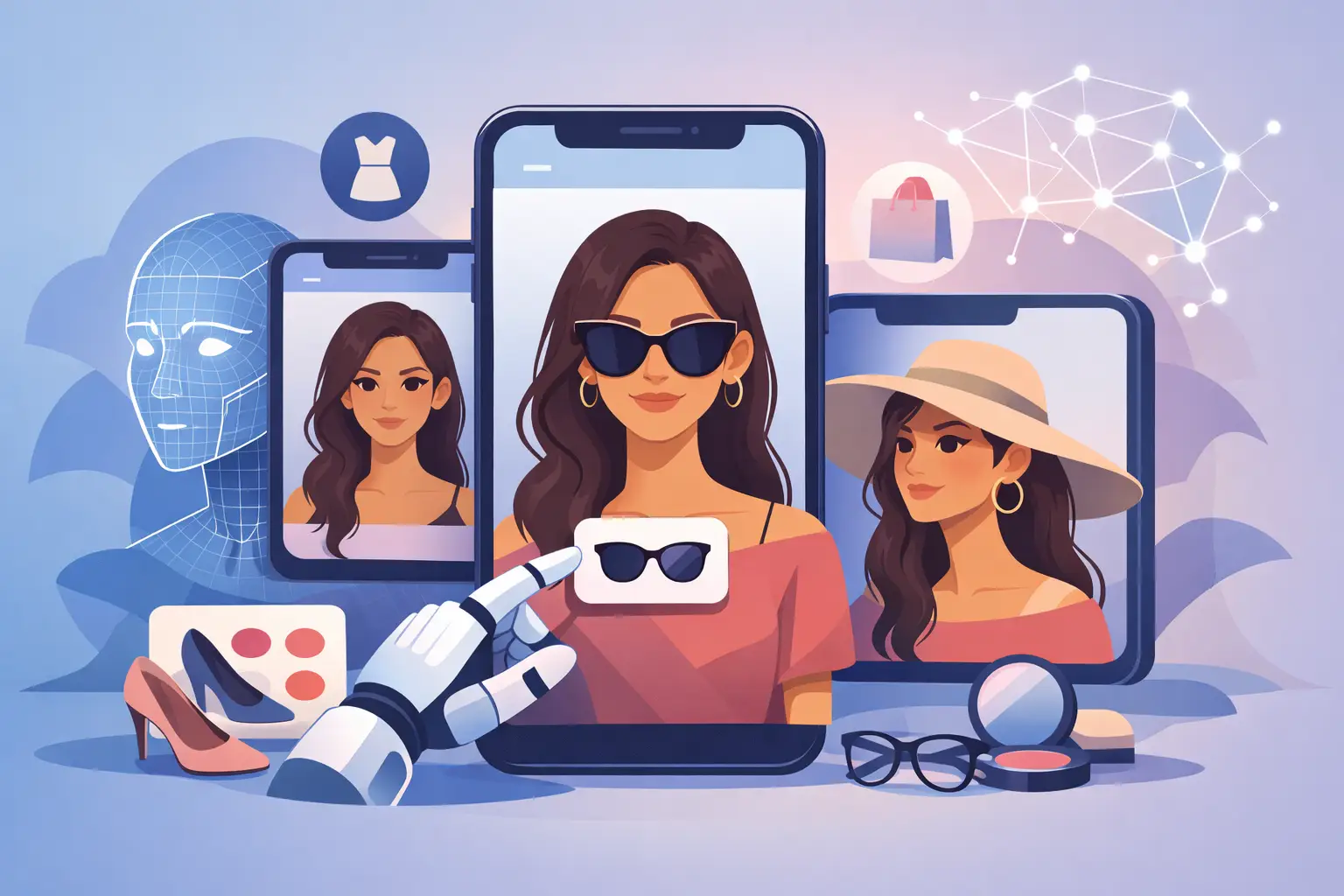
Buying clothes online usually fails in one of two ways. The item looks great on the model and wrong on you, or it fits well enough but never works with the rest of your wardrobe. The best ai virtual try on apps are trying to fix both problems fast, with realistic previews that cut guesswork before you buy.
That sounds simple. It is not. A useful try-on app has to do more than paste a shirt onto a photo. It needs to handle body shape, drape, angles, lighting, and layering well enough that the preview actually helps you decide. If it also respects your privacy and does not make you wait forever, even better.
This is where the category starts to separate. Some apps are built for entertainment and social sharing. Some are shopping utilities. A few are trying to become your everyday fitting room on your phone.
What makes the best AI virtual try on apps worth using?
The first thing that matters is realism. If the garment floats, warps oddly, or ignores your proportions, the result may be fun for ten seconds but useless for shopping. Strong apps generate previews that feel grounded on your body, not clipped onto it.
Speed matters almost as much. If you need several minutes and multiple retries to see one outfit, most people will stop using the app before it becomes part of their shopping routine. For frequent shoppers, the difference between near-instant results and a slow queue is the difference between a tool and a novelty.
Privacy is the next filter. These apps often rely on full-body images, which means users are sharing sensitive personal photos. Clear protection around encrypted uploads, limited storage, and automatic deletion should not be treated like bonus features. They are table stakes.
Then there is the decision layer. The strongest apps do not just show a look. They help you act on it. Saving outfits, comparing options, revisiting past looks, and getting styling suggestions are what turn a single try-on into a smarter purchase decision.
7 best AI virtual try on apps to consider
Prova
Prova is built like a practical shopping tool first and a style app second, which is exactly why it stands out. You upload a full-body photo, add the clothing you want to test, and get a realistic try-on in about 10 seconds. That speed changes behavior. Instead of second-guessing a purchase, you can check the look before you hit buy.
The app also handles the part many competitors skip - what happens after the first try-on. With My Wardrobe, you can save outfits and revisit them later instead of starting over every time. That is useful if you are comparing pieces, planning looks for an event, or trying to buy fewer things that do more.
Its privacy positioning is strong and clear. Images are sent over encrypted connections and automatically deleted after processing, which removes a major barrier for users who like the technology but do not want their photos sitting around on a server. If you want an app that is fast, realistic, and built for actual shopping decisions, Prova is one of the strongest options in the category.
Zeekit by Walmart
Zeekit helped introduce a lot of shoppers to the idea of virtual try-on at scale. Its retail integration is the main advantage. If you are already browsing inside a major shopping ecosystem, built-in try-on can feel more convenient than jumping between separate tools.
The trade-off is flexibility. Retail-linked experiences often work best with participating items and specific product catalogs. That makes them helpful when you are shopping inside that environment, but less useful as an all-purpose wardrobe companion. If your goal is broad outfit experimentation across brands, a dedicated app may go further.
Google virtual try-on features
Google has pushed AI try-on into search and shopping results, which lowers the barrier to entry. You do not have to commit to a new platform just to preview a garment. For casual users, that convenience is real.
Still, search-based try-on tends to be strongest at the product discovery stage, not the outfit management stage. It is good for checking whether a piece might work. It is less effective if you want a persistent closet, repeat comparisons, or a more personal styling workflow.
YouCam Makeup
YouCam is best known for beauty and face-based AR, but it has expanded into fashion-related experiences. Its strength is polish. The interface is built for consumers, and the app understands that style experimentation should feel fun, not technical.
The limitation is purpose. If your main goal is apparel fit confidence, an app rooted in beauty filters may not always deliver the same depth as a tool built around full-body clothing try-on. For users who want a lighter, more playful experience, it can still be appealing.
DressX
DressX sits closer to digital fashion and social expression than strict purchase utility. That makes it interesting for users who care about how they look in content, not just what they buy in stores. If you want bold styling and shareable visuals, it has a distinct place in the market.
But that same strength can be a drawback for practical shoppers. A digitally impressive look is not always the same thing as a realistic preview of fabric, fit, or everyday wearability. It depends on whether you are shopping for real life or styling for visual impact.
Wanna
Wanna has worked across accessories and fashion visualization, and its technology focus is clear. In categories like shoes, bags, and watches, this kind of try-on can be especially effective because the fit variables are narrower than full-body apparel.
For clothing, expectations get higher. Users want to know not only whether something looks attractive, but whether it works on their exact shape and with the rest of their closet. Apps with strong object visualization do not always translate perfectly to complete outfit decision-making.
Snapchat fashion AR experiences
Snapchat deserves a mention because it made virtual try-on mainstream for a younger, highly social audience. The experience is immediate, easy to share, and naturally built around experimentation. If the goal is discovering trends and getting reactions from friends, it works.
The downside is that social AR is often optimized for engagement over purchase confidence. That does not make it bad. It just means the output may be better for inspiration than final buying decisions, especially if you care about realistic garment behavior on your body.
How to choose among the best AI virtual try on apps
Start with your use case, not the app store rating. If you mostly want entertainment, social sharing, and quick style experiments, a more playful platform may be enough. If you buy clothes online often and want fewer returns, realism and speed should be your first filters.
Then check whether the app is built around your body or around the product catalog. That sounds like a small difference, but it matters. Product-led tools are often great for browsing within one retailer. User-led tools tend to be better for repeated, personalized decisions across more outfits and shopping moments.
Privacy deserves a harder look than most people give it. A lot of users will upload a photo without reading what happens next. You should. Look for clear language around encryption, storage, and deletion. If those details are vague, assume the product has not made trust a priority.
Finally, think about what happens after the try-on. Can you save looks? Compare them later? Build a usable digital wardrobe? The best experiences are not just one-off previews. They become part of how you shop.
Where these apps still fall short
Even the best tools are not perfect. Fabric behavior remains tricky, especially with loose silhouettes, textured materials, and complex layering. Lighting differences between your photo and the source image can also affect how convincing the result looks.
Sizing is another nuance. A try-on preview can improve confidence in style and overall appearance, but it does not replace a detailed size chart. The smartest way to use these apps is alongside brand sizing information, not instead of it.
There is also a difference between realism and certainty. A strong preview can tell you whether something is likely to flatter you or clash with your wardrobe. It cannot guarantee how a garment will feel, stretch, or move throughout the day.
The shift that matters most
The bigger story is not that AI try-on is fun. It is that it is becoming useful. That is a much higher bar. Once an app is fast enough, realistic enough, and secure enough, it stops being a gimmick and starts replacing part of the fitting-room process.
That shift matters to shoppers who are tired of buying three sizes just to return two. It matters to anyone who wants to experiment more without wasting money. And it matters because the best version of this technology does not add friction. It removes it.
If you are comparing options, look past flashy demos and ask a simpler question: would this help you make a better purchase in under a minute? When the answer is yes, you are not just looking at AI. You are looking at a better way to shop.